



Designing engaging mechanics for gambling games key principles and strategies
Understanding Player Psychology
To design engaging mechanics for gambling games, understanding player psychology is essential. Players come with different motivations, such as entertainment, social interaction, or the thrill of winning. Recognizing these motivations helps designers create mechanics that resonate with players. For instance, social features like chat functions or multiplayer options can enhance the experience for those seeking community engagement while still appealing to competitive spirits with leaderboards and rewards. As players delve deeper into the dynamics, they may discover opportunities offered by Ice Fishing Live, where excitement and strategy beautifully intertwine.

Another crucial aspect is the feeling of control players desire. Mechanics that allow players to make choices, such as selecting bet amounts or choosing game paths, can increase their emotional investment. By incorporating these options, designers create a more personalized experience. This sense of agency not only heightens engagement but also builds loyalty, as players feel more connected to the game and its outcomes.
Moreover, rewarding players consistently can enhance their overall experience. Incorporating small wins, even when players may not hit a jackpot, can maintain excitement and keep them engaged. This approach, often referred to as “near-miss” mechanics, taps into the psychological phenomenon where players feel that they are close to winning, prompting them to continue playing in hopes of achieving that success.
Incorporating Game Mechanics
Engaging gambling games must feature robust game mechanics that keep players interested. One of the foundational mechanics is the balance between skill and luck. Games that rely solely on chance may lead to frustration, while those that allow for player skill can create deeper satisfaction. Incorporating skill-based elements, such as decision-making strategies or timed challenges, can empower players and elevate their gaming experience.
Another important mechanic is the use of progression systems. Players enjoy seeing their progress reflected in levels, achievements, or unlockable features. By integrating a progression system, designers can motivate players to continue engaging with the game, as they receive tangible rewards for their time and effort. This can include special bonuses, exclusive access to new game modes, or unique visual elements that signify milestones in their gaming journey.
Lastly, gamification elements, such as missions or quests, can be highly effective in engaging players. These elements create a narrative that players can immerse themselves in, making the experience more dynamic. For example, players can complete challenges to earn rewards, leading them on an adventure that enhances their emotional connection to the game. This sense of purpose keeps players returning, curious about what comes next.
Designing for Accessibility and Inclusivity
Inclusivity and accessibility are critical in designing gambling games. A well-designed game should cater to a diverse audience, ensuring that everyone can enjoy the experience. This includes implementing features that accommodate various skill levels and preferences. For example, providing options for different betting limits allows both casual players and high rollers to enjoy the game without feeling alienated.
Additionally, offering various game modes can make gambling more accessible. Some players may prefer fast-paced action, while others enjoy a more relaxed atmosphere. By providing options like speed rounds or slower-paced sessions, designers can engage a broader audience. This adaptability not only enhances the gaming experience but also encourages longer play sessions, as players can choose the mode that best fits their mood.
Furthermore, attention to design elements that consider players with disabilities is vital. This can involve including screen reader compatibility, adjustable text sizes, and colorblind modes. By prioritizing these features, designers ensure that everyone, regardless of their abilities, can participate and enjoy the experience, ultimately broadening the player base and fostering a more inclusive gaming environment.
Utilizing Technology for Enhanced Experiences
Advancements in technology present unique opportunities for designing engaging gambling games. The integration of virtual reality (VR) and augmented reality (AR) can create immersive experiences that significantly elevate player engagement. For instance, VR can transport players into a simulated casino environment, allowing them to interact with virtual dealers and other players, replicating the excitement of a physical casino.
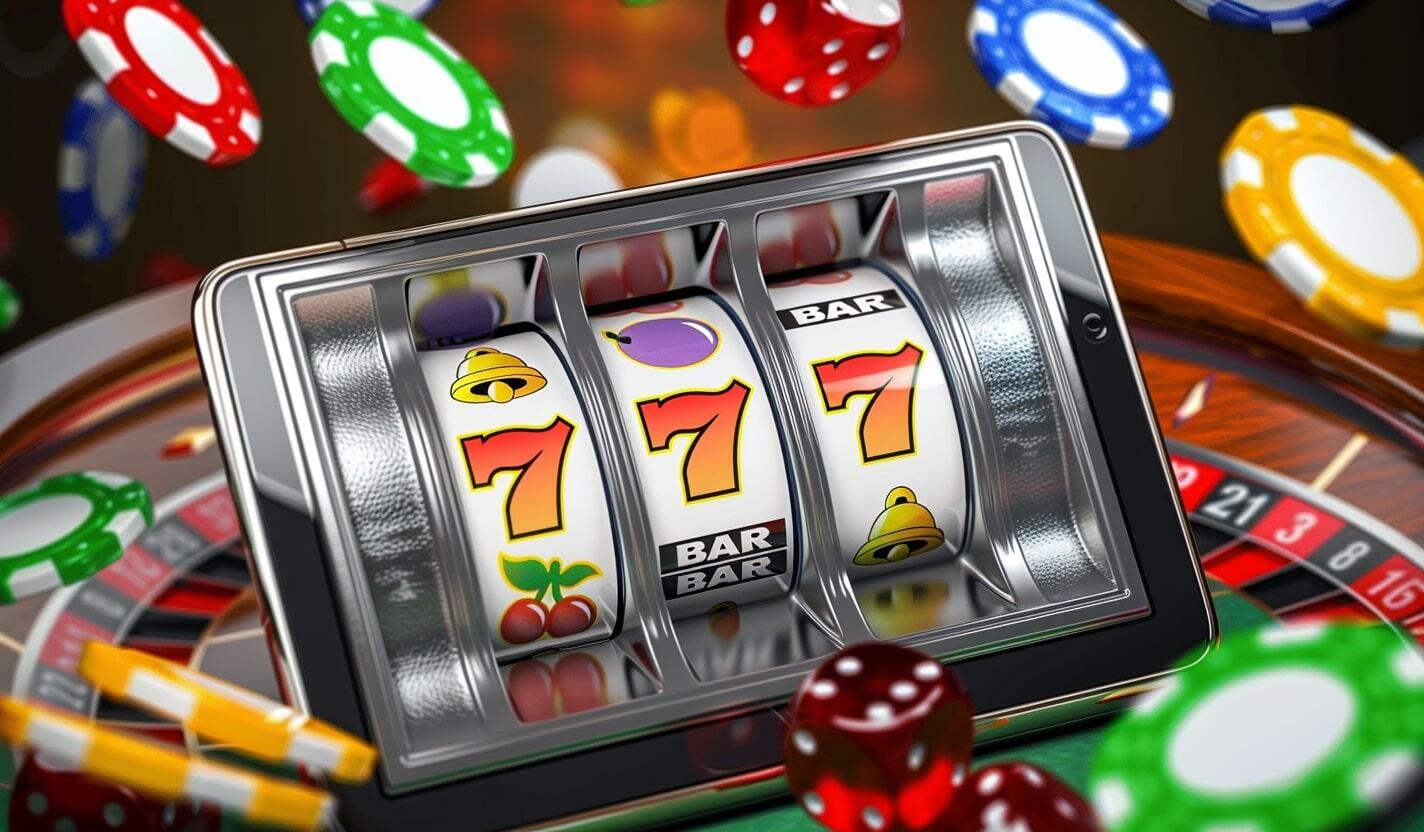
Moreover, mobile technology has revolutionized how players access gambling games. With the increasing use of smartphones, it’s essential to design games that are mobile-friendly. Responsive design, touch-screen compatibility, and simplified interfaces can enhance the user experience, making games easily accessible for players on the go. This level of convenience can increase player retention and attract new audiences.
Incorporating data analytics into game design can also optimize player engagement. By analyzing player behavior and preferences, designers can adjust game mechanics, themes, and features to better suit their target audience. This data-driven approach allows for real-time improvements, ensuring that the games remain relevant and engaging. By continually refining gameplay based on player feedback, designers can foster a loyal player base that feels valued and understood.
Exploring Innovative Game Concepts
Innovation is at the heart of engaging gambling game design. Exploring unique themes and narratives can attract players seeking fresh experiences. Concepts that tie in popular culture, mythology, or even original stories can create a more immersive environment. For example, games featuring stories about treasure hunts or mythical adventures can draw players in, providing not just a game, but an adventure to experience.
Additionally, cross-genre blending can lead to exciting new mechanics. Combining elements from traditional table games with modern video game features can captivate a wider audience. For instance, a slot game that incorporates strategy-based elements, like choosing a path through a maze, merges genres in a way that keeps gameplay dynamic and engaging.
Finally, continuously experimenting with new game formats, such as live dealer options or interactive game shows, can keep the gambling experience fresh. Innovations that allow real-time interaction between players and dealers or hosts create a community feel, enhancing social elements within the game. As technology evolves, staying ahead of trends and adapting to player preferences is crucial in maintaining engagement in an ever-changing market.